Home / Services / Open Cell Spray Foam
The half-pound foam
Open Cell Spray Foam in Springfield, Missouri
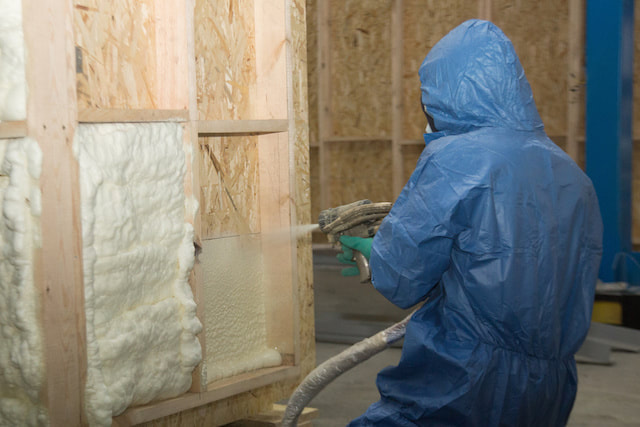
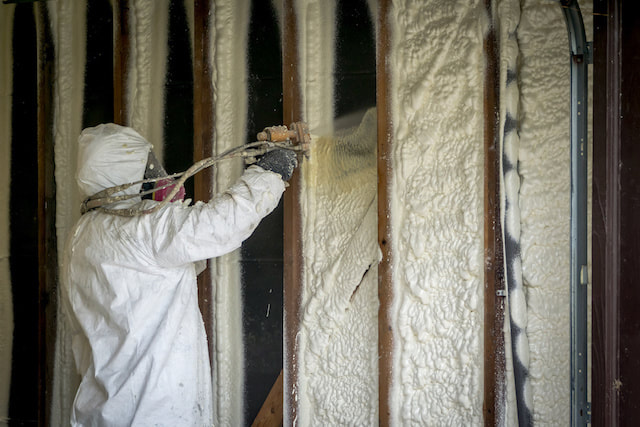
Open cell expands dramatically on application, so it reaches into cavities that rigid materials cannot, and it covers far more area per dollar than closed cell.
What Open Cell Foam Actually Is
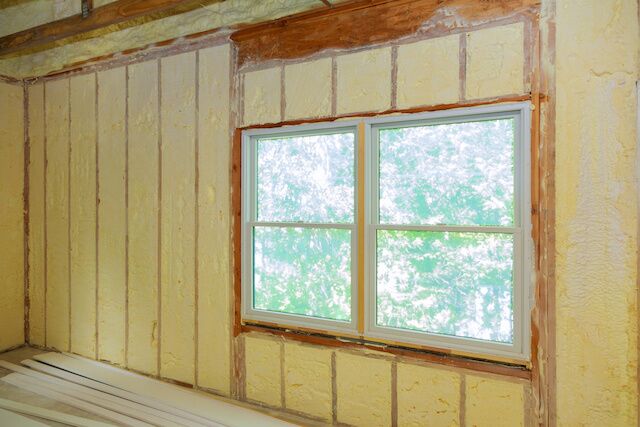
Open cell spray polyurethane foam is a low-density product, around half a pound per cubic foot, whose cells are deliberately left open to one another. That structure is why it expands so aggressively on application and why it stays soft and spongy once cured. It gives roughly R-3.6 to R-3.8 per inch, so it needs more depth than closed cell to reach the same R-value, and it is vapour-open rather than a vapour barrier.
None of that is a drawback in itself. It is a different tool. Where you have deep cavities and want the best air seal per dollar, open cell is frequently the correct specification.
Where It Is the Right Call
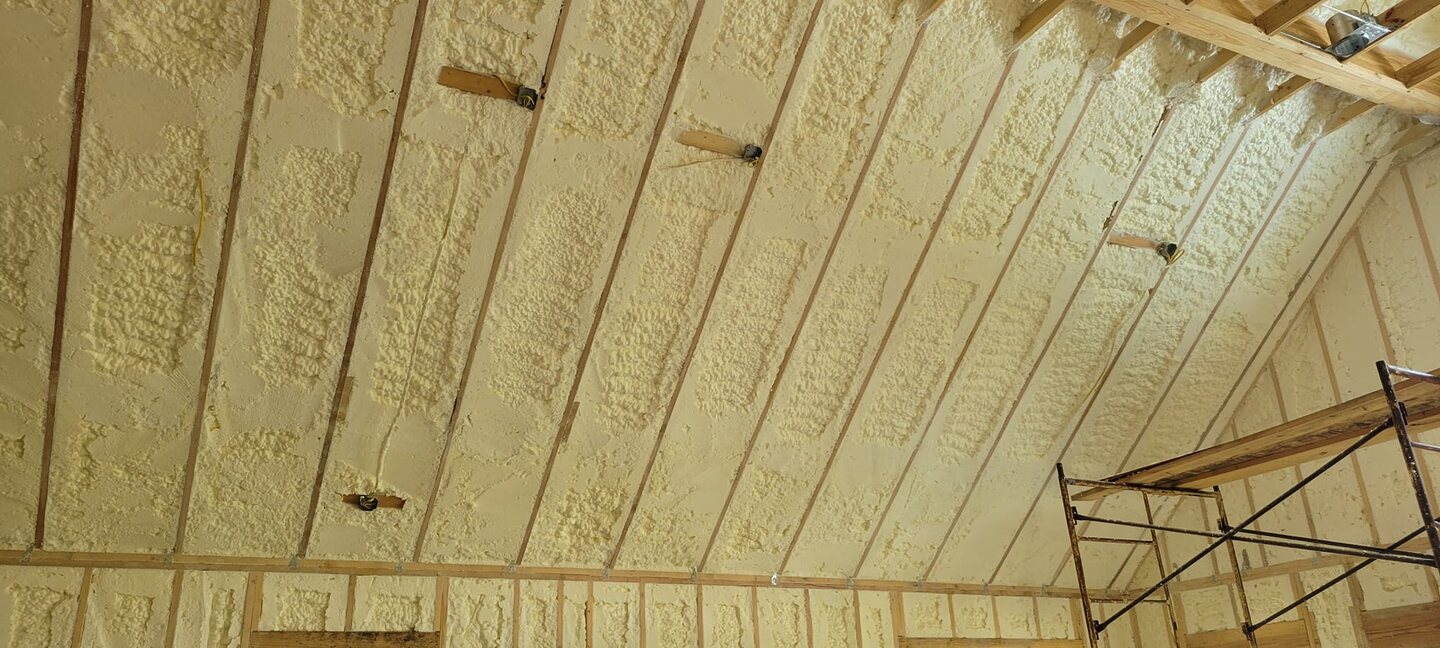
Deep roof decks and rafter bays with the depth to carry the thickness. Interior partition walls where sound transfer between rooms is the complaint. New-build stud bays that are fully open and easy to access. Large volumes of attic roofline where the budget has to cover a lot of square footage.
It is also the material of choice where an assembly needs to stay able to dry toward the inside, because it does not trap moisture the way a vapour-closed product can.
Where We Will Recommend Something Else
Below grade, in a crawl space, against a foundation wall, in a damp assembly, or anywhere the foam may contact bulk water, we will specify closed cell instead. Open cell absorbs and holds water, so putting it where water is likely is simply the wrong choice, whatever it saves up front. We would rather lose the cheaper line on the quote than install something that fails.
Ask which one your project needs: call (417) 815-4045 or request a free estimate.
Open Cell and Sound
The open cell structure that makes this product vapour-open also makes it good at absorbing airborne sound. In an interior partition, around a media room, between a shared wall and a bedroom, or in a home office that needs to be quiet during a call, open cell does a noticeably better job than closed cell at the same thickness.
It is worth saying plainly that no insulation makes a wall soundproof on its own. Sound control is an assembly property — mass, decoupling and sealing all matter. Foam in the cavity is one part of it, and we will tell you what the realistic result is rather than overselling it.

Open cell questions
What people ask before choosing it
Is open cell foam worse than closed cell?
No, it is different. Closed cell gives more R per inch and acts as a moisture barrier. Open cell gives a better air seal per dollar, more coverage for the same spend and better sound absorption. The assembly decides which one is correct, not a ranking.
How thick does open cell need to be?
More than closed cell for the same R-value, because it delivers roughly R-3.6 to R-3.8 per inch. The quote names the installed depth for your specific assembly, and that depth is what the crew installs and checks.
Does open cell hold water?
Yes, which is exactly why we will not put it below grade, in a crawl space or against a foundation wall. If your project involves any of those, we will specify closed cell for that area even though it costs more.
Will it sag or settle over time?
Cured spray foam adheres to the substrate and does not slump the way loose-fill can settle. It stays where it was applied. Open cell stays soft to the touch, which is normal and not a sign of failure.
Can you use open cell in some areas and closed cell in others?
Often that is the best-value answer on a whole-house job: closed cell where moisture or limited depth demands it, open cell across the big open areas. Mixed specifications are itemised separately on the estimate so you can see exactly what goes where.
Not sure which foam your project needs?
Tell us about the assembly and we will specify the material that suits it, with the reasoning in writing.
Free written estimates • Mixed specifications itemised • Local Missouri crew
Compare and explore